The Harvest Tradition: Maryland’s Eastern Shore Farm History
There’s Something in the October Air
You know that feeling when you roll the windows down on a crisp October morning, and the air suddenly smells like damp earth, dried corn husks, and just a hint of woodsmoke? Around here, that’s not just a scent—it’s a signal. On the Maryland Eastern Shore, October is the crescendo of the year. It’s the time when the landscape shifts from the lush greens of summer to those deep, burnt oranges and golds that make our coastal living feel like a painting. But beyond the beauty, this season is the heartbeat of our history. For generations, the rhythm of life on the Peninsula has been dictated by the harvest, and if you listen closely, you can still hear that tradition echoing in the hum of a combine or the chatter at a local farm stand.
From Colonial Fields to Modern Acres
It’s easy to look at the sprawling soy and corn fields we see today and think this has always been the way. But the story of Maryland Eastern Shore agriculture is one of constant evolution. Back in the colonial days, the Shore was a bit of a wild frontier. Early settlers focused heavily on tobacco—the “gold” of the Chesapeake—but as the soil tired and markets shifted, our ancestors looked toward the land differently. They began leaning into corn and wheat, transforming the region into what some historians called the “Breadbasket of the Revolution.”
By the time we hit the 20th century, the introduction of soy changed the game again. Soybeans didn’t just provide a new crop; they helped the soil recover, creating a sustainable cycle that allowed family farms to survive through lean years. Today, while the machinery is bigger and the technology is smarter, that fundamental connection to the soil remains. Whether it’s a multi-generational farm in Kent County or a new organic venture near Princess Anne, we’re still essentially doing what the first settlers did: coaxing a living from the rich, tidal loam of the Shore.
The Architecture of Hard Work
If you want to see history in 3D, just take a slow drive down any backroad in Talbot or Dorchester County. You’ll see them—the historic barns. Some are towering gambrel-roofed giants, while others are modest tobacco barns with those iconic slats. Many of these structures are still operational, serving as the nerve centers for modern farmsteads. There’s something deeply humbling about seeing a barn built in the 1800s still housing equipment and grain in 2026. It’s a reminder that we’re just temporary stewards of this land.
The Spirit of the ‘Harvest Home’
One of my favorite things about living here is the community cooperation. In the old days, the “Harvest Home” wasn’t just a date on the calendar; it was a survival strategy. When the crops were ready, neighbors didn’t wait to be asked—they just showed up. They knew that if the rain was coming, every hand on deck mattered. That spirit of mutual aid is still very much alive, though it looks a bit different now.
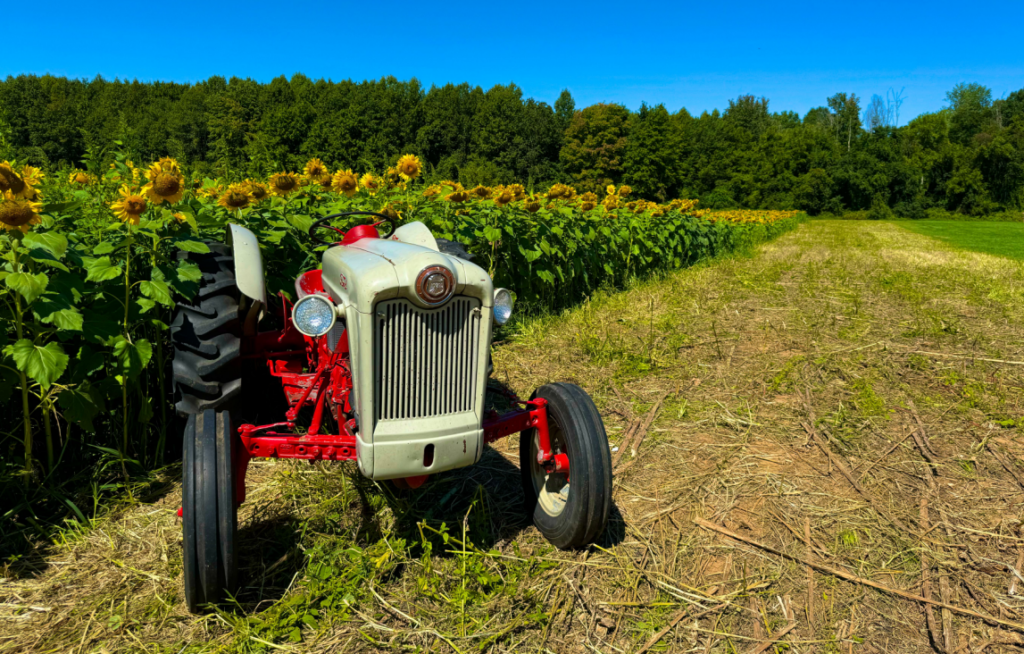
Take the Blessing of the Combines in Snow Hill, for example. It’s a homegrown salute to the farmers that brings the town together. It’s not just about the machinery; it’s about acknowledging the stress, the hope, and the sheer grit it takes to feed a community. We see it in the small-town feel of our local markets and the way people still stop their trucks to help a stranger with a flat tire on a dirt road. It’s a cultural thread that binds us, reminding us that no one on the Eastern Shore truly farms alone.
Your October Heritage Guide
If you’re looking to soak up some of this heritage this month, you don’t have to go far. October is the prime time for agri-tourism, and there are some gems right in our backyard. Here are a few ways to get involved:
Must-Visit Spots
- Maple Border Farm (White Hall): If you’re looking for that classic fall experience, their corn mazes are a staple. It’s a great way to support local growers while getting the kids (and yourself) a bit lost in the stalks.
- Burguss Rural Living Center: For those who want a deeper dive into the “how” of historic farming, this is a fantastic spot to see how traditional methods intersect with modern living.
- Pickering Creek Audubon Center: A beautiful 400-acre working farm that blends agriculture with conservation. It’s the perfect place for a quiet walk to clear your head.
Pro Tips for the Perfect Farm Visit
To make the most of your heritage tour, keep these few things in mind:

- Shop the Stand: Skip the supermarket this week. Grab some local honey, heirloom squash, or fresh cider. Not only is the taste incomparable, but your money goes directly into the pocket of a neighbor. (Check out our favorite local harvest baskets here to keep your finds fresh!)
- Dress in Layers: The coastal breeze is no joke in October. A sturdy pair of boots and a warm flannel are your best friends.
- Ask Questions: Most farmers are incredibly proud of their history. A simple “How long has this barn been here?” can lead to a story you’ll remember for years.
Keeping the Tradition Alive
As we move further into the digital age, it’s easy to forget that our dinner plates are connected to the dirt. But that’s why we celebrate the harvest. It’s a moment to pause, look at the golden fields, and appreciate the generations of hands that worked this land before us. Whether you’ve lived on the Peninsula your whole life or you’re just visiting for the foliage, there’s a place for you in this tradition.
I’d love to hear from you—do you have a favorite hidden-gem farm stand or a family story about the harvest? Drop a comment below and let’s build a community map of our favorite Shore spots! And if you want more local guides and seasonal tips, don’t forget to download the Delmarvalous Life app to stay connected with everything happening in our corner of the world.